






Synopsis
Stoic philosopher Epictetus taught that loss should be viewed as returning something rather than losing it. His philosophy emphasised accepting what cannot be controlled, practising self-discipline and focusing on personal actions. A Greek thinker who founded a school in Nicopolis, his teachings influenced figures like Marcus Aurelius and were preserved by his student Arrian. His simple life and wisdom continue to inspire gratitude, self-awareness and emotional resilience.


Listen to this article in summarized format


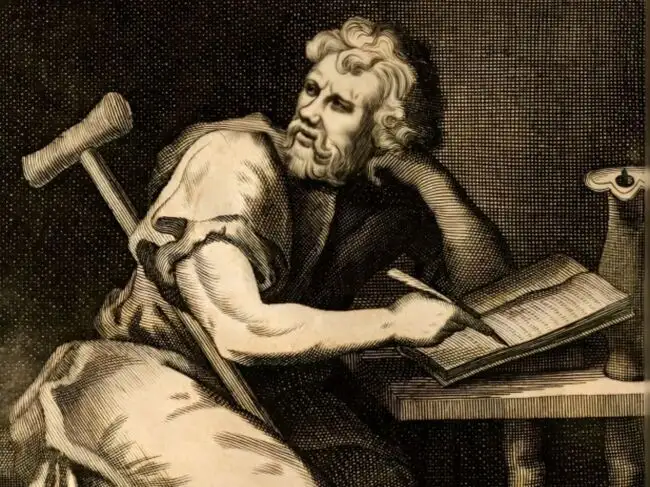
Life is filled with moments of gain and loss, but Stoic philosopher Epictetus believed our response to those moments shapes our character more than the events themselves. His timeless reflection about not saying “I lost it” but instead “I returned it” continues to resonate centuries later. The quote encourages a shift in perspective, reminding us to value what we have while accepting that nothing in life is ours to keep forever.
Meaning of Epictetus’ quote
When Epictetus advised people to think of loss as returning something rather than having it taken away, he was highlighting a core principle of Stoicism: everything external, including possessions, relationships and even life itself, is temporary. By viewing these experiences as gifts rather than permanent ownership, people can develop gratitude instead of attachment and acceptance instead of resentment.
His reminder that every person is an actor in life’s drama reinforces the idea that we cannot control every circumstance. Instead, our responsibility lies in playing our role with integrity, wisdom and resilience, regardless of the challenges life presents.
Who was Epictetus?
Epictetus was a Greek Stoic philosopher who lived in Rome before settling in Nicopolis in northwestern Greece. He studied Stoic philosophy under Musonius Rufus and, after gaining his freedom, devoted his life to teaching philosophy.
Following the banishment of philosophers from Rome under Emperor Domitian, Epictetus established a school in Nicopolis. There, he taught that philosophy was not merely an academic subject but a practical guide for everyday living.
His philosophy of self-control
A central theme of Epictetus’ teachings was the distinction between what people can control and what they cannot. External events, he argued, should be accepted calmly because they lie beyond human control. What truly matters are one’s own thoughts, decisions and actions, which can be shaped through discipline and self-awareness.
He also believed self-knowledge formed the foundation of philosophy. According to Epictetus, recognising one’s own ignorance and limitations was the first step toward wisdom. Logic and reasoning were valuable, but only when they supported ethical action and truthful living.
His lasting influence
Epictetus’ teachings were preserved by his student Arrian in the *Discourses* and the *Enchiridion*. These works went on to influence generations of thinkers, including Marcus Aurelius, Blaise Pascal, Montesquieu, Denis Diderot and Samuel Johnson.
Arrian described his teacher as an exceptionally powerful speaker whose words deeply moved his listeners. Epictetus was also respected by influential figures of his time, including Emperor Hadrian.
Despite his reputation, Epictetus lived a remarkably simple life with very few possessions. In his later years, he adopted the child of a friend who had been left without care, reflecting the compassion and practical wisdom that defined both his philosophy and his life. Today, Epictetus’ words continue to inspire people to let go of excessive attachment, appreciate the present and focus their energy on what they can truly control.