

HEAL Foundation bridges the diagnostic divide with doorstep NCD screening for 5 lakh underprivileged citizens across 23 states.
India’s escalating battle against non-communicable diseases (NCDs)—now responsible for nearly 63% of all deaths—has hit a critical juncture as NFHS-5 (2025) data reveals a staggering 101 million adults living with diabetes and 315 million with hypertension. However, the most alarming crisis lies in the “diagnostic void” within India’s informal sector; ICMR and NFHS trends (2022–2025) indicate that a massive 80–90% of informal workers and underprivileged communities have never undergone a routine NCD screening. In the dense slum clusters of Mumbai and Delhi, where cost, access, and awareness remain formidable barriers, 70–90% of residents avoid preventive diagnostics until symptoms become severe, according to studies by Think Global Health (2024) and PLOS One.
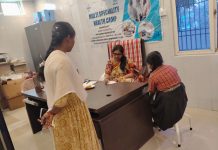
In a pioneering response to fill this gap, the HEAL Foundation, a not-for-profit non-governmental organisation leading public health advocacy and implementation, has emerged as a trailblazer in closing the preventive care gap. Leveraging its innovative mobile health clinics—popularly known as hPods—the Foundation has executed one of India’s most expansive screening drives, successfully reaching the 5-lakh (500,000) milestone across 23 states since the COVID-19 pandemic. By taking a ‘door-to-door’ community approach, the HEAL Foundation has effectively bypassed traditional healthcare barriers, providing the bottom of the pyramid with life-saving early detection for diabetes, hypertension, and cardiovascular risks, while simultaneously driving a massive behavioural shift toward preventive health.
Ms. Misha Dange, Trustee, HEAL Foundation says, “The post-pandemic era has fundamentally redefined our understanding of health security; it shifted the focus from tertiary care to the urgency of doorstep diagnostics. At HEAL, we recognized that the rising incidence of chronic ailments among the weaker sections of society could only be addressed by removing the barriers of distance and cost. By screening 5 lakh vulnerable people, we have not only detected early NCD risks but also empowered communities with knowledge. Our approach has been to blend clinical screening with mass health literacy, ensuring each mobile camp functions as both a diagnostic touchpoint and a behaviour-change classroom.”
HEAL Foundation has scaled its ‘early detection, immediate counselling’ model through strategic CSR partnerships with UGRO Capital, National Fertilisers Ltd, Idemia, and Pacific OneHealth. These customized programs—ranging from digital health clinics to mobile screening units—target factories, field forces, and high-risk urban clusters. By leveraging corporate funding, HEAL provides a vital diagnostic bridge for workforce and community health, ensuring that NCD and TB screenings are accessible to underserved and vulnerable populations across the country.
Mr. Shahnawaz Ahmad Ansari, Executive Director, HEAL Foundation, asserts, “Our strategy is built on a holistic ‘Screen-to-Save’ framework that bridges the gap between high-end diagnostic technology and the bottom of the pyramid. Whether it is our Active TB Case Finding in Gorakhpur in partnership with Mylan Pharmaceuticals—which is critical for India’s goal of TB elimination under the NTEP—or our upcoming January 2026 drive in the slums of Mumbai with Atradius, we are focused on systemic impact. We don’t just screen; we integrate these communities into the formal healthcare funnel. By deploying hPods and mobile units, we are building a real-time health surveillance net that empowers the most vulnerable citizens with the knowledge and early intervention through preventive screening required to defeat NCDs and TB alike.”
By combining corporate CSR synergy, grassroots outreach, and innovative mobile technology, HEAL Foundation has created a scalable blueprint for the future of Indian public health. The analysis of the 5 lakh screenings completed across 23 states highlights a critical shift: when diagnostic barriers are removed, community participation in preventive health skyrockets.